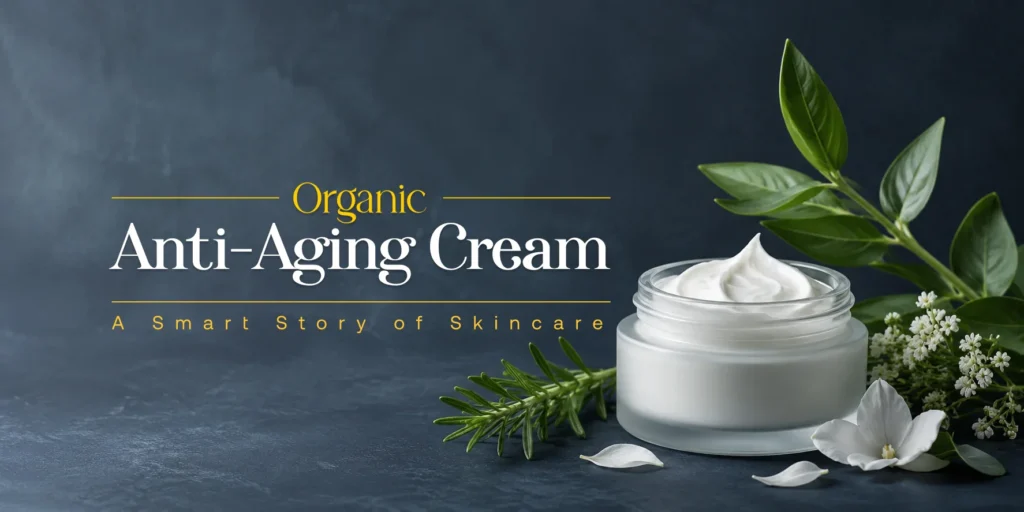
অর্গানিক অ্যান্টি-এজিং ক্রিম: ত্বকের যত্নে এক স্মার্ট গল্প
Organic Anti-Aging Cream: A Smart Story of Skincare There was a time when skin felt firm, smooth, and fresh. The face had a natural glow, and looking in the mirror felt reassuring. But time works quietly. It does not arrive with noise. It slowly brings dryness, fine lines, and a tired look to the skin. That is the natural story of ageing. But the ending does not have to be bad. With the right care, the right ingredients, and the right formulation, skin can still look alive, soft, and healthy. This is where an organic anti-aging cream becomes important.At DERMAX LAB ACADEMY, learning this kind of formulation helps people understand that skincare is not just about beauty — it is a mix of science, patience, and balance. Why Does Skin Show Ageing Signs? Inside the skin, there are important proteins such as collagen and elastin. These help keep the skin firm, soft, and strong. As we age, their amount gradually decreases. Sun exposure, pollution, lack of sleep, smoking, and not drinking enough water all add extra stress to the skin. Because of this, dryness, wrinkles, dullness, and uneven skin tone may appear. This is a natural biological process, but the good news is that it can be slowed down a little. Good skincare and smart formulation play a major role here. What Is an Organic Anti-Aging Cream? An organic anti-aging cream is a skincare product made with as many plant-based, gentle, and skin-friendly ingredients as possible.It usually contains water phase, oil phase, humectants, butters, emulsifiers, botanical extracts, anti-aging actives, essential oils, and preservatives. All of these ingredients work together to moisturize the skin, support the barrier, and reduce the appearance of ageing signs. At DERMAX LAB ACADEMY, this balance is one of the most important parts of formulation learning. Because a good cream should not only look nice — it should actually work. How Does This Cream Work? An organic anti-aging cream usually works in three ways. Simply put, this cream gives the skin the support it needs to stay fresh, smooth, and comfortable. It is like a small care story for the skin that shows results little by little. Why Choose Organic Ingredients? Many people prefer organic skincare because it usually contains gentler and plant-based ingredients.For sensitive skin, this can often be a better option. Plant oils, natural butters, and botanical extracts help nourish and comfort the skin.Another big reason is that organic formulation is often seen as part of clean beauty and environmentally friendly skincare. That is why this approach is attractive for people who want to care for their skin more consciously.Learning this through a place like DERMAX LAB ACADEMY builds not only product knowledge, but also professional formulation awareness. Which Ingredients Can Be Used? An organic anti-aging cream can include several important ingredient groups. 1.Water Phase This part mainly contains water-based ingredients.It creates the light, refreshing, and hydrating base of the cream. Distilled Water This works as the main base of the formula. It helps provide moisture to the skin and keeps the cream’s texture stable. Aloe Vera Juice This soothes the skin, gives a cooling feel, and helps reduce redness or irritation.It is especially popular for sensitive skin. The water phase gives the cream a light, soothing, and comfortable foundation. 2.Carrier Oils Carrier oils are the oils that moisturize the skin, keep it soft, and support the barrier. Jojoba Oil It behaves very similarly to the skin’s natural sebum. That is why it works well for many skin types. Rosehip Oil It is rich in fatty acids and antioxidants. It helps improve skin texture, increase softness, and reduce the visible signs of ageing. Carrier oils are very important for deep nourishment. They help the skin stay soft and nourished for a longer time. 3.Butters Butters are richer, thicker, and more nourishing ingredients.They are especially useful for dry skin. Shea Butter It gives deep hydration to the skin and helps reduce roughness. It is very good for keeping the skin soft. Cocoa Butter It helps soften the skin and makes the cream feel more creamy and comforting. It can give the skin a plush feel. Butters create a warm, comforting layer on the skin. 4.Emulsifiers Emulsifiers are the ingredients that hold water and oil together.Without them, the cream can separate. Cetearyl Alcohol and Cetearyl Glucoside They help keep the cream stable, smooth, and homogenous. This makes the texture feel more luxurious. Glyceryl Stearate It gives the cream a smooth feel and helps with moisture retention. Without emulsifiers, good cream formulation is almost impossible.They are quiet but extremely important parts of the formula. 5.Humectants Humectants pull water into the skin and help hold it there.They help maintain skin plumpness and hydration. Glycerin This is a very well-known humectant. It helps keep the skin hydrated, smooth, and fuller-looking. Hyaluronic Acid It can hold a large amount of water, which makes the skin look fresher, dewier, and softer. Humectants are especially effective for dry and mature skin. 6.Anti-Aging Actives This is the most targeted and important part of the formula.This is where the real work against ageing signs happens. Vitamin C It helps brighten the skin and supports collagen. It is very useful for making dull skin look more lively. Niacinamide It improves the skin barrier, reduces uneven tone, and helps smooth the skin texture. It is a real multi-tasking ingredient. Coenzyme Q10 It is a powerful antioxidant that helps protect the skin from oxidative stress.It is useful for reducing the tired look linked to ageing. These active ingredients are the true heroes of anti-aging formulation. 7) Botanical Extracts These soothe the skin and provide extra protection. They are very important in plant-based skincare. Green Tea Extract It is rich in antioxidants and helps reduce inflammation. It works well for sensitive or stressed skin. Licorice Root Extract It helps balance skin tone. It is especially helpful for uneven skin tone. Botanical extracts add a gentle, nature-inspired touch to the formula. 8) Essential Oils Essential oils are used in
অর্গানিক অ্যান্টি-এজিং ক্রিম: ত্বকের যত্নে এক স্মার্ট গল্প Read More »