

Organic Anti-Aging Cream: A Smart Story of Skincare
There was a time when skin felt firm, smooth, and fresh. The face had a natural glow, and looking in the mirror felt reassuring.
But time works quietly. It does not arrive with noise. It slowly brings dryness, fine lines, and a tired look to the skin. That is the natural story of ageing. But the ending does not have to be bad.
With the right care, the right ingredients, and the right formulation, skin can still look alive, soft, and healthy.
This is where an organic anti-aging cream becomes important.
At DERMAX LAB ACADEMY, learning this kind of formulation helps people understand that skincare is not just about beauty — it is a mix of science, patience, and balance.
Why Does Skin Show Ageing Signs?
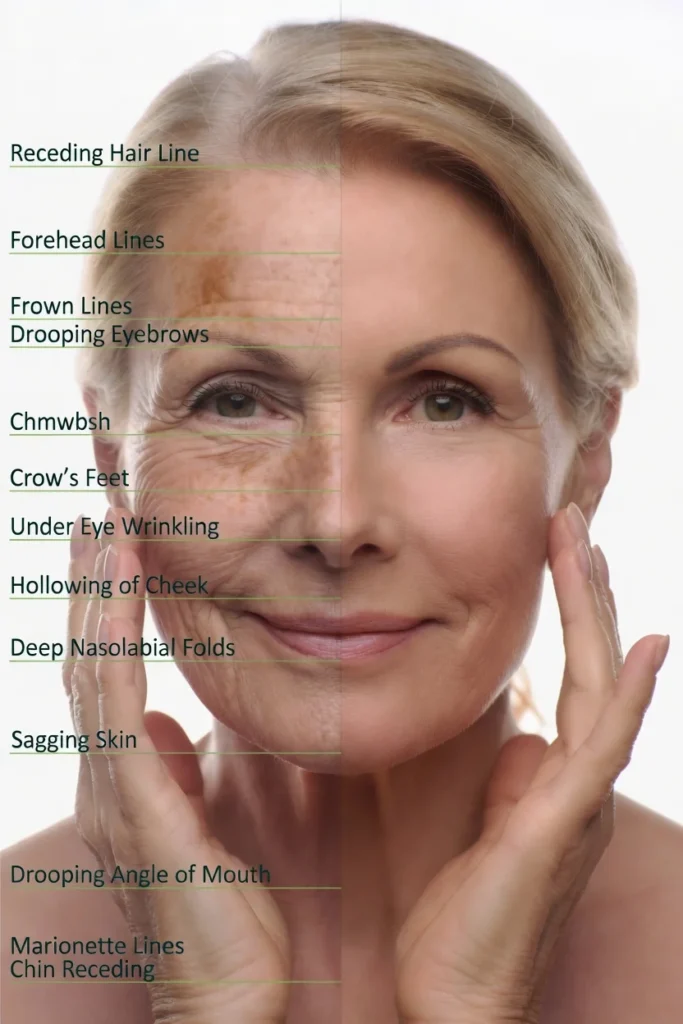
Inside the skin, there are important proteins such as collagen and elastin. These help keep the skin firm, soft, and strong. As we age, their amount gradually decreases.
Sun exposure, pollution, lack of sleep, smoking, and not drinking enough water all add extra stress to the skin. Because of this, dryness, wrinkles, dullness, and uneven skin tone may appear.
This is a natural biological process, but the good news is that it can be slowed down a little. Good skincare and smart formulation play a major role here.
What Is an Organic Anti-Aging Cream?
An organic anti-aging cream is a skincare product made with as many plant-based, gentle, and skin-friendly ingredients as possible.
It usually contains water phase, oil phase, humectants, butters, emulsifiers, botanical extracts, anti-aging actives, essential oils, and preservatives.
All of these ingredients work together to moisturize the skin, support the barrier, and reduce the appearance of ageing signs. At DERMAX LAB ACADEMY, this balance is one of the most important parts of formulation learning.
Because a good cream should not only look nice — it should actually work.
How Does This Cream Work?
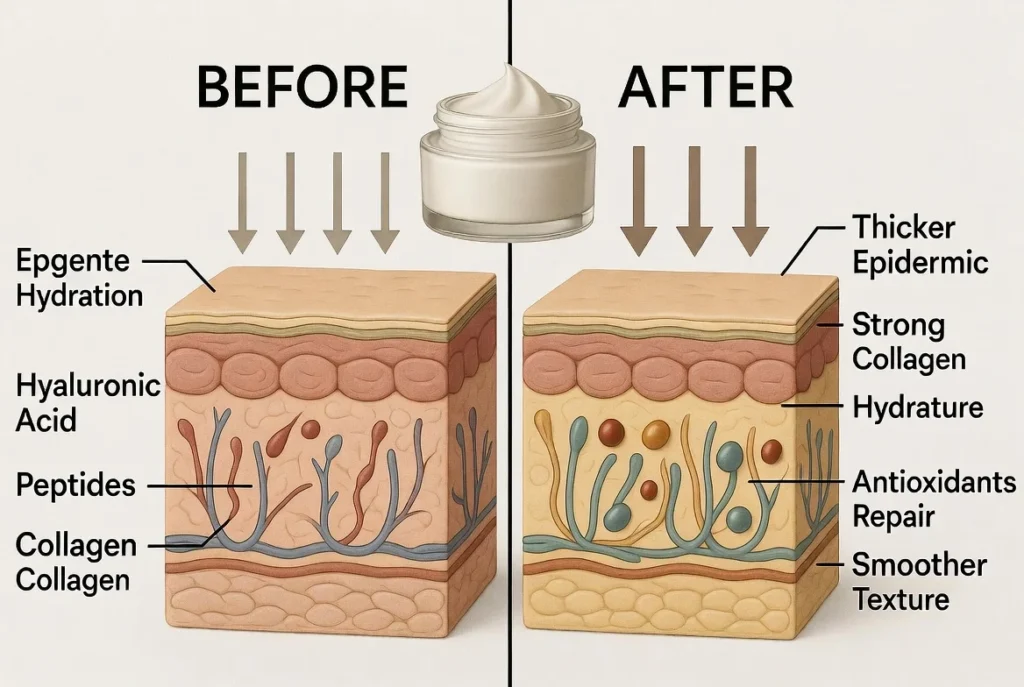
An organic anti-aging cream usually works in three ways.
- First, it helps the skin hold moisture, so the skin looks less dry.
- Second, it supports the skin’s natural support system, so the skin feels softer and more stable.
- Third, it helps reduce oxidative stress, which is one of the major reasons behind visible ageing signs.
Simply put, this cream gives the skin the support it needs to stay fresh, smooth, and comfortable. It is like a small care story for the skin that shows results little by little.
Why Choose Organic Ingredients?
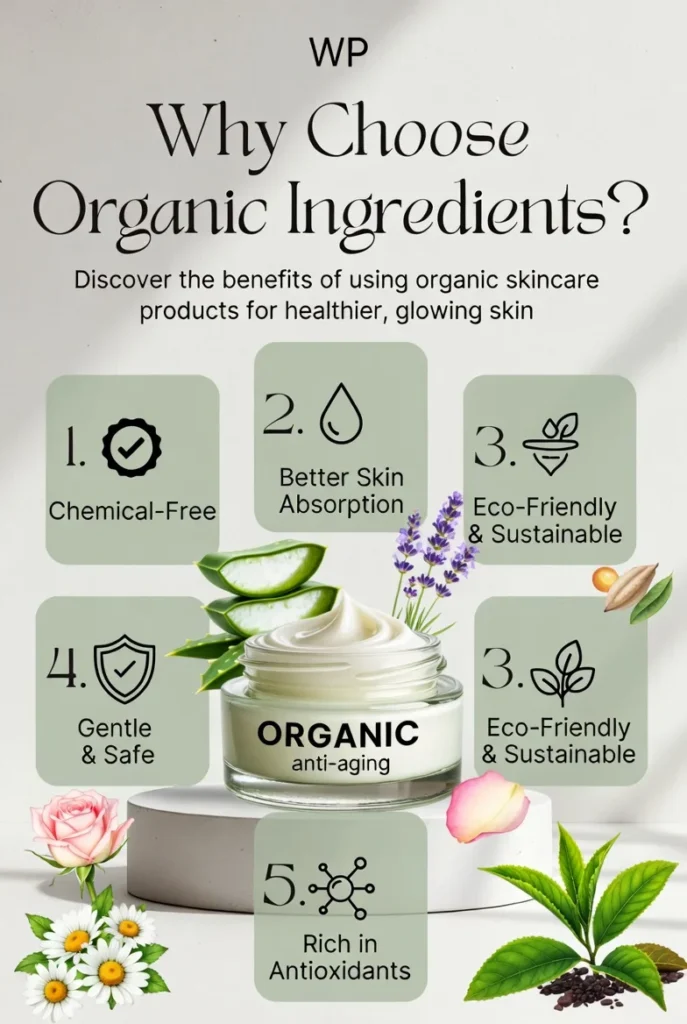
Many people prefer organic skincare because it usually contains gentler and plant-based ingredients.
For sensitive skin, this can often be a better option.
Plant oils, natural butters, and botanical extracts help nourish and comfort the skin.
Another big reason is that organic formulation is often seen as part of clean beauty and environmentally friendly skincare.
That is why this approach is attractive for people who want to care for their skin more consciously.
Learning this through a place like DERMAX LAB ACADEMY builds not only product knowledge, but also professional formulation awareness.
Which Ingredients Can Be Used?
An organic anti-aging cream can include several important ingredient groups.
1.Water Phase
This part mainly contains water-based ingredients.
It creates the light, refreshing, and hydrating base of the cream.
Distilled Water
This works as the main base of the formula. It helps provide moisture to the skin and keeps the cream’s texture stable.
Aloe Vera Juice
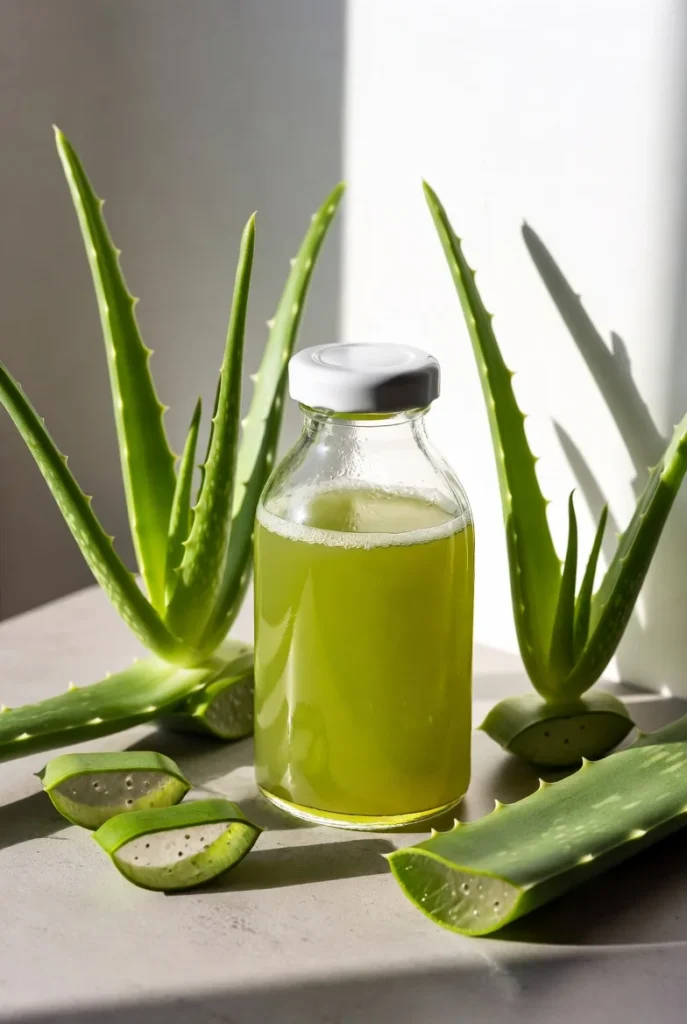
This soothes the skin, gives a cooling feel, and helps reduce redness or irritation.
It is especially popular for sensitive skin.
The water phase gives the cream a light, soothing, and comfortable foundation.
2.Carrier Oils
Carrier oils are the oils that moisturize the skin, keep it soft, and support the barrier.
Jojoba Oil
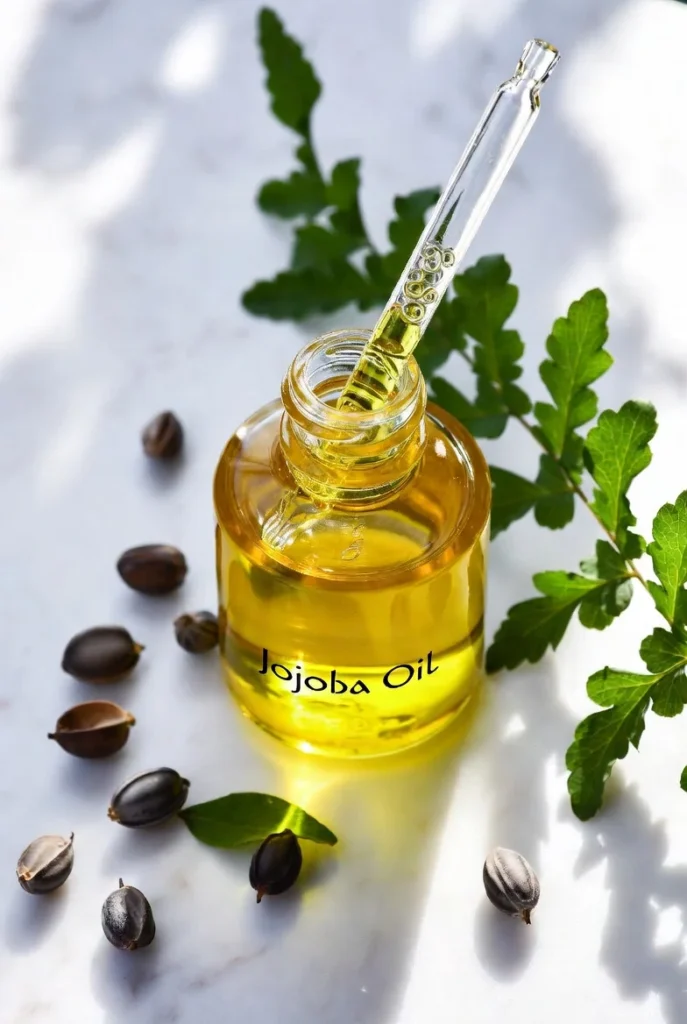
It behaves very similarly to the skin’s natural sebum. That is why it works well for many skin types.
Rosehip Oil
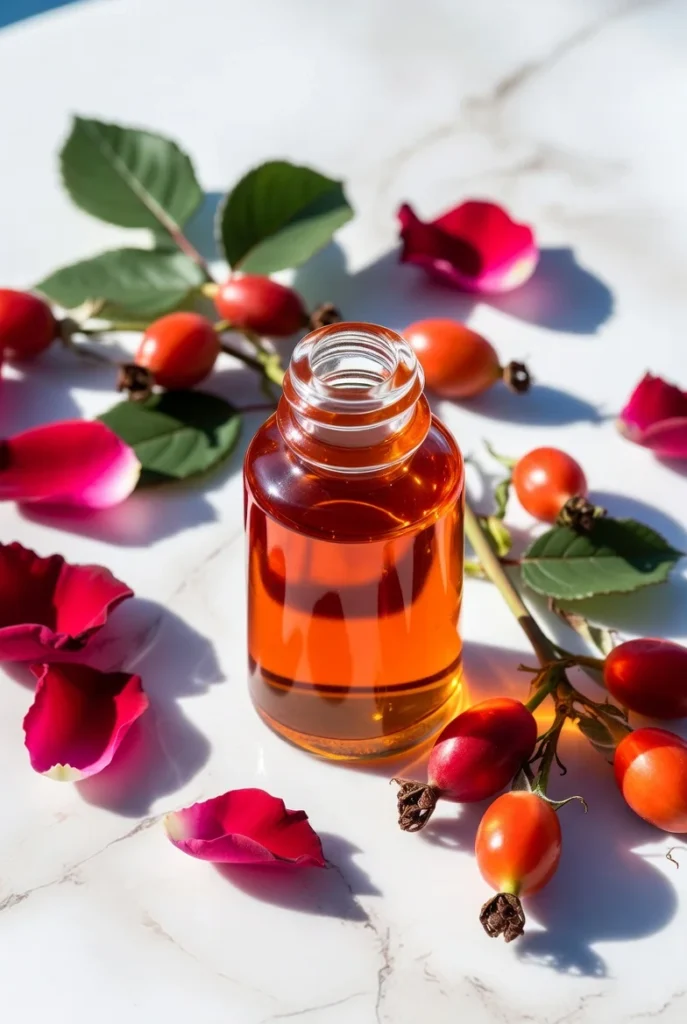
It is rich in fatty acids and antioxidants. It helps improve skin texture, increase softness, and reduce the visible signs of ageing.
Carrier oils are very important for deep nourishment. They help the skin stay soft and nourished for a longer time.
3.Butters
Butters are richer, thicker, and more nourishing ingredients.
They are especially useful for dry skin.
Shea Butter
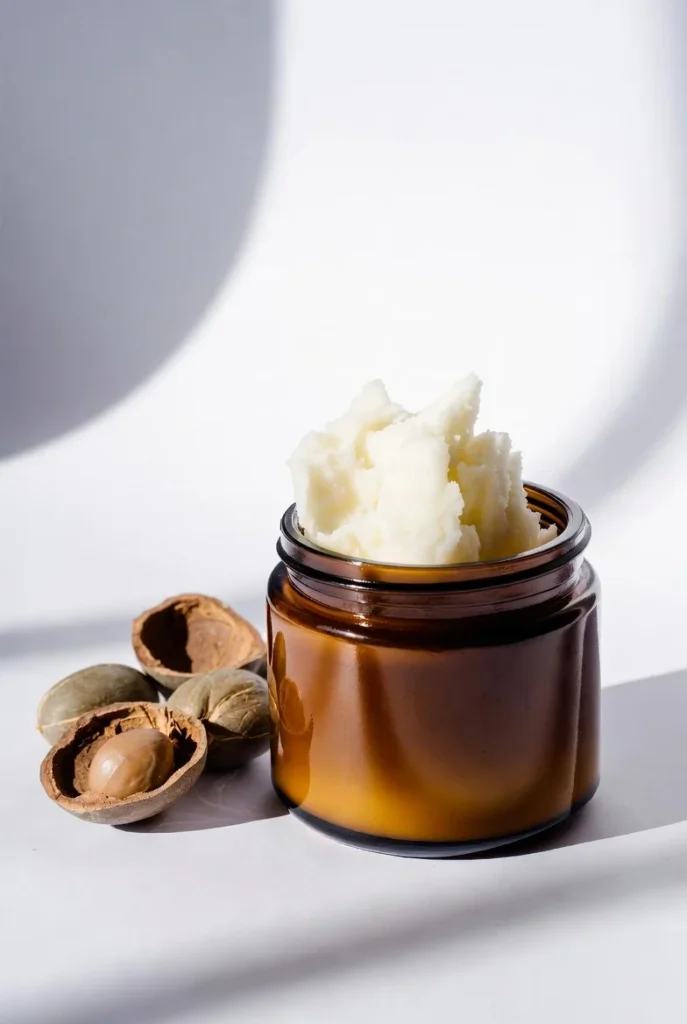
It gives deep hydration to the skin and helps reduce roughness. It is very good for keeping the skin soft.
Cocoa Butter
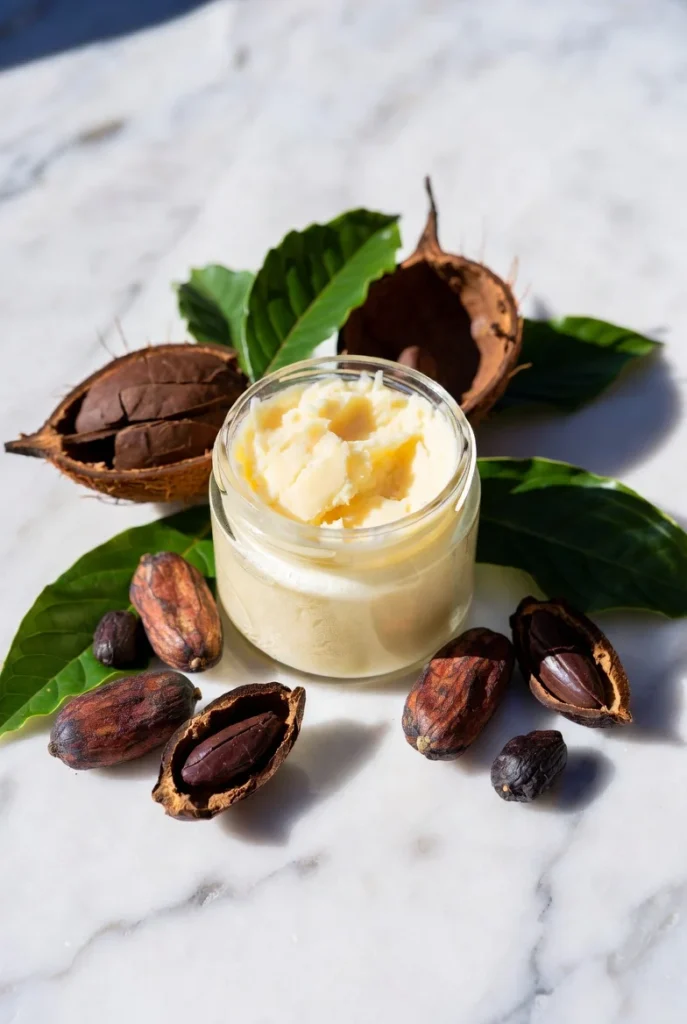
It helps soften the skin and makes the cream feel more creamy and comforting. It can give the skin a plush feel.
Butters create a warm, comforting layer on the skin.
4.Emulsifiers
Emulsifiers are the ingredients that hold water and oil together.
Without them, the cream can separate.
Cetearyl Alcohol and Cetearyl Glucoside
They help keep the cream stable, smooth, and homogenous. This makes the texture feel more luxurious.
Glyceryl Stearate
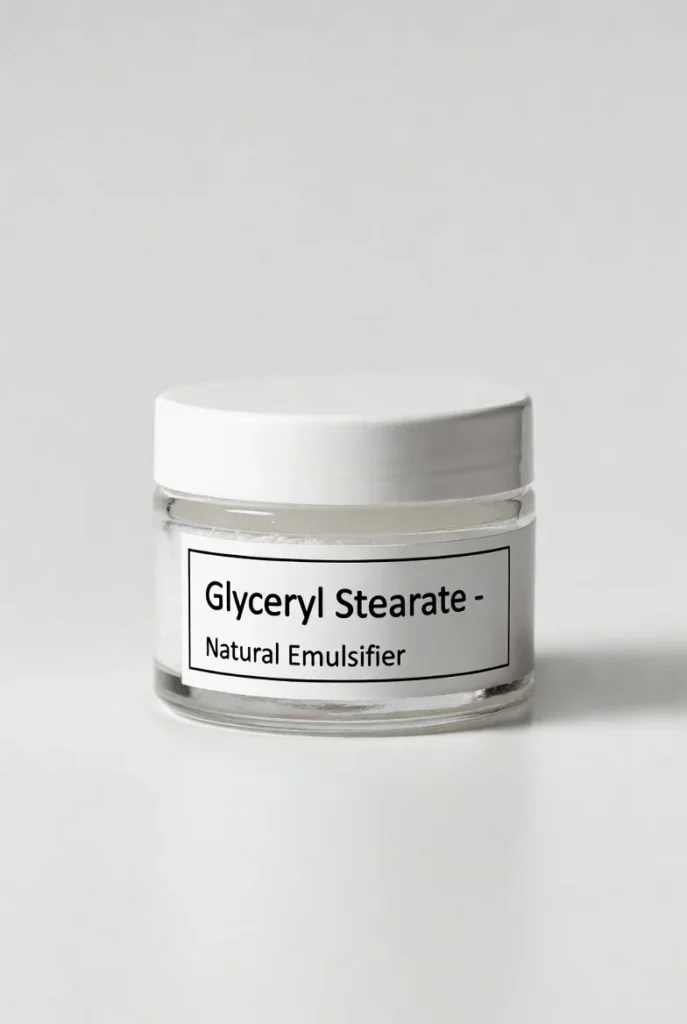
It gives the cream a smooth feel and helps with moisture retention.
Without emulsifiers, good cream formulation is almost impossible.
They are quiet but extremely important parts of the formula.
5.Humectants
Humectants pull water into the skin and help hold it there.
They help maintain skin plumpness and hydration.
Glycerin
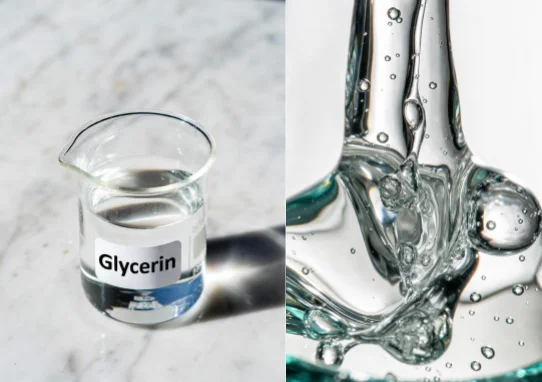
This is a very well-known humectant. It helps keep the skin hydrated, smooth, and fuller-looking.
Hyaluronic Acid
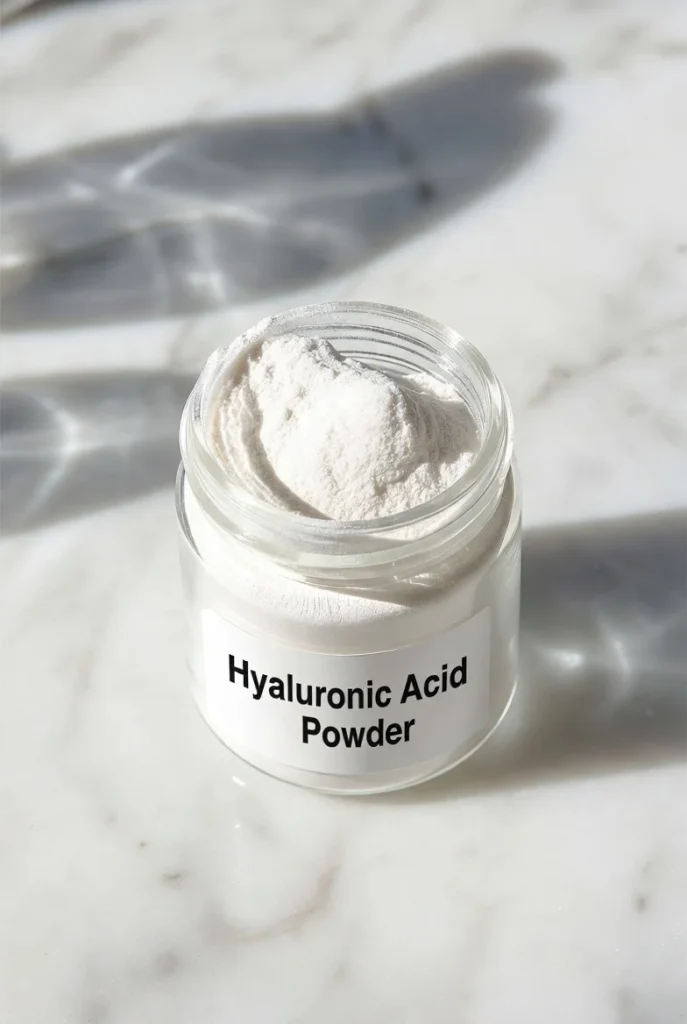
It can hold a large amount of water, which makes the skin look fresher, dewier, and softer.
Humectants are especially effective for dry and mature skin.
6.Anti-Aging Actives
This is the most targeted and important part of the formula.
This is where the real work against ageing signs happens.
Vitamin C
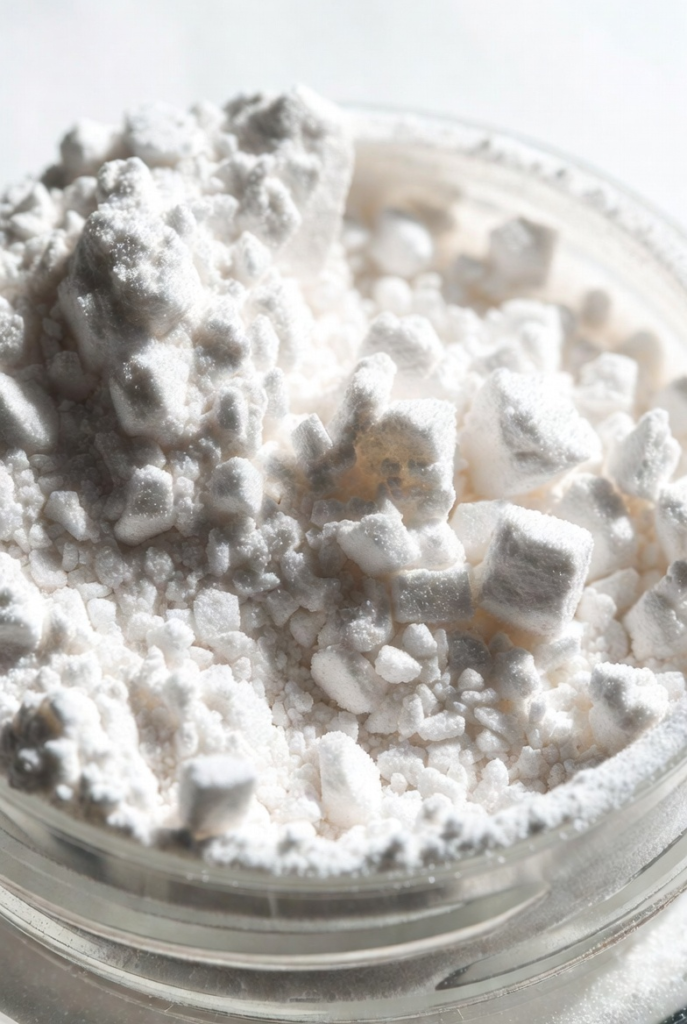
It helps brighten the skin and supports collagen. It is very useful for making dull skin look more lively.
Niacinamide
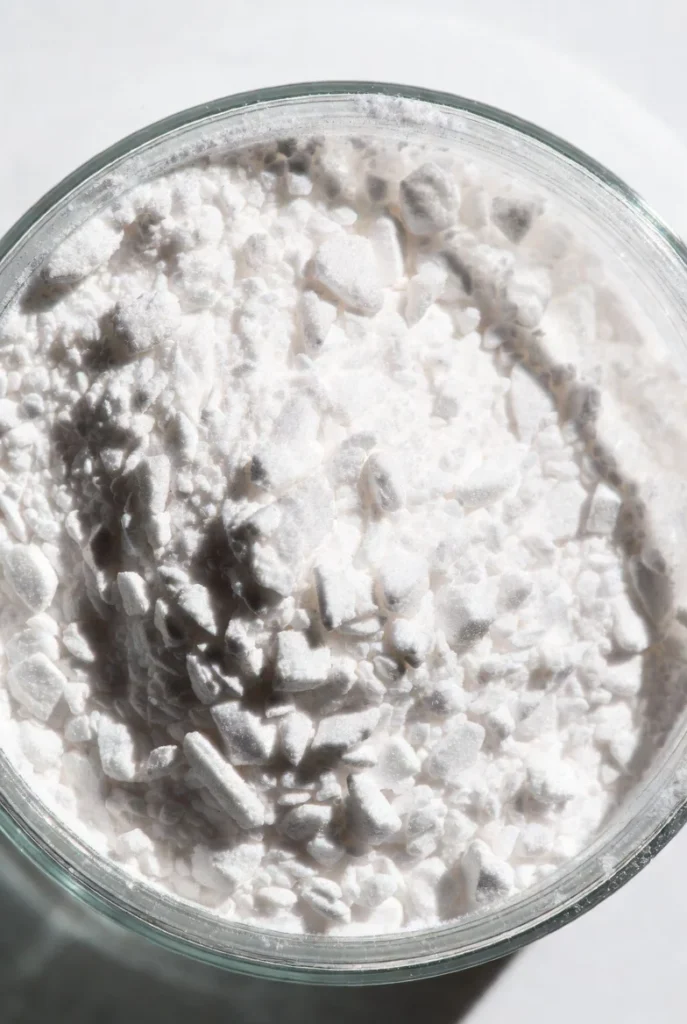
It improves the skin barrier, reduces uneven tone, and helps smooth the skin texture. It is a real multi-tasking ingredient.
Coenzyme Q10
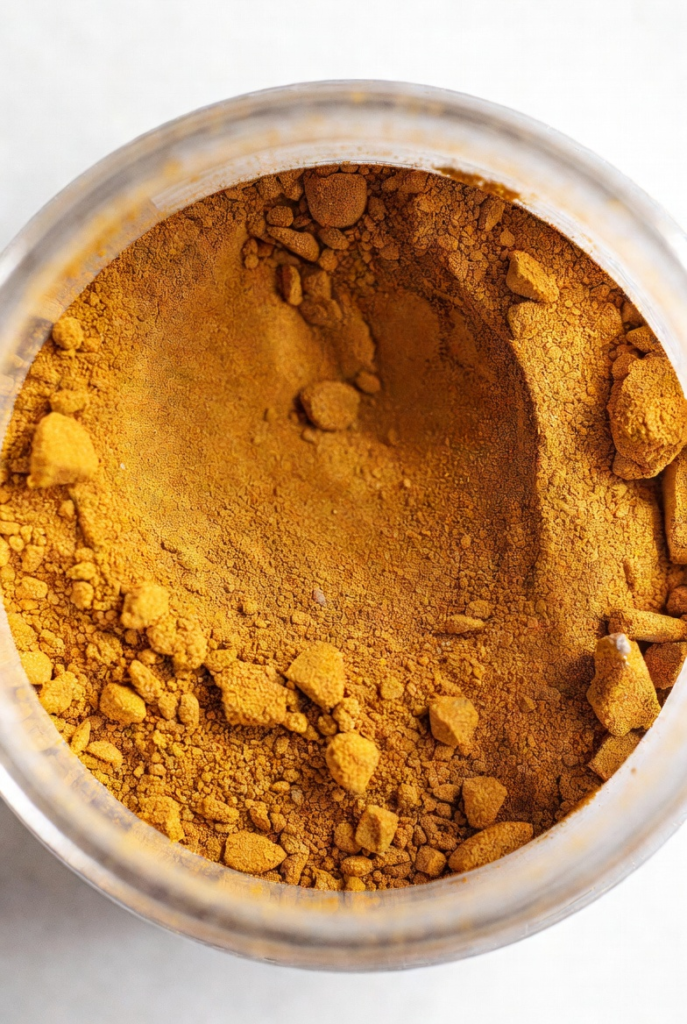
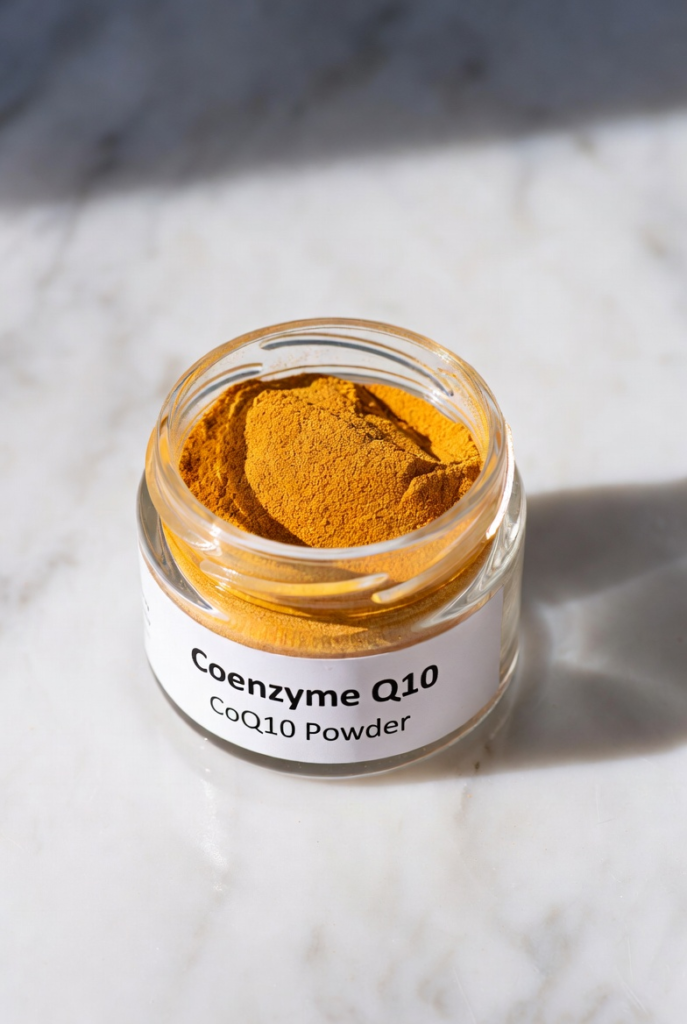
It is a powerful antioxidant that helps protect the skin from oxidative stress.
It is useful for reducing the tired look linked to ageing.
These active ingredients are the true heroes of anti-aging formulation.
7) Botanical Extracts
These soothe the skin and provide extra protection. They are very important in plant-based skincare.
Green Tea Extract
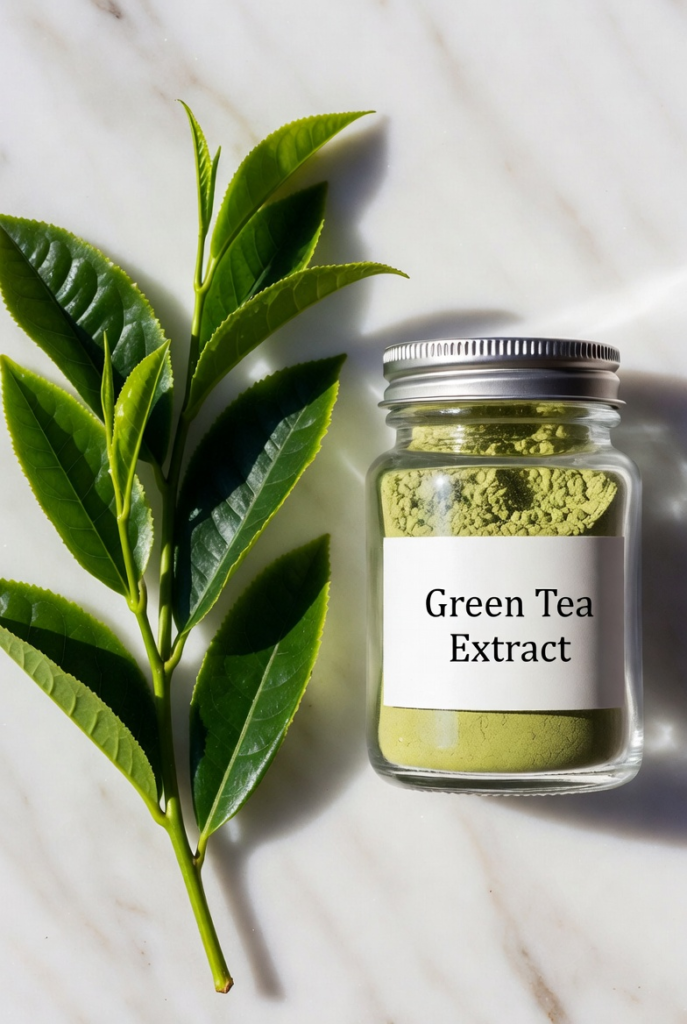
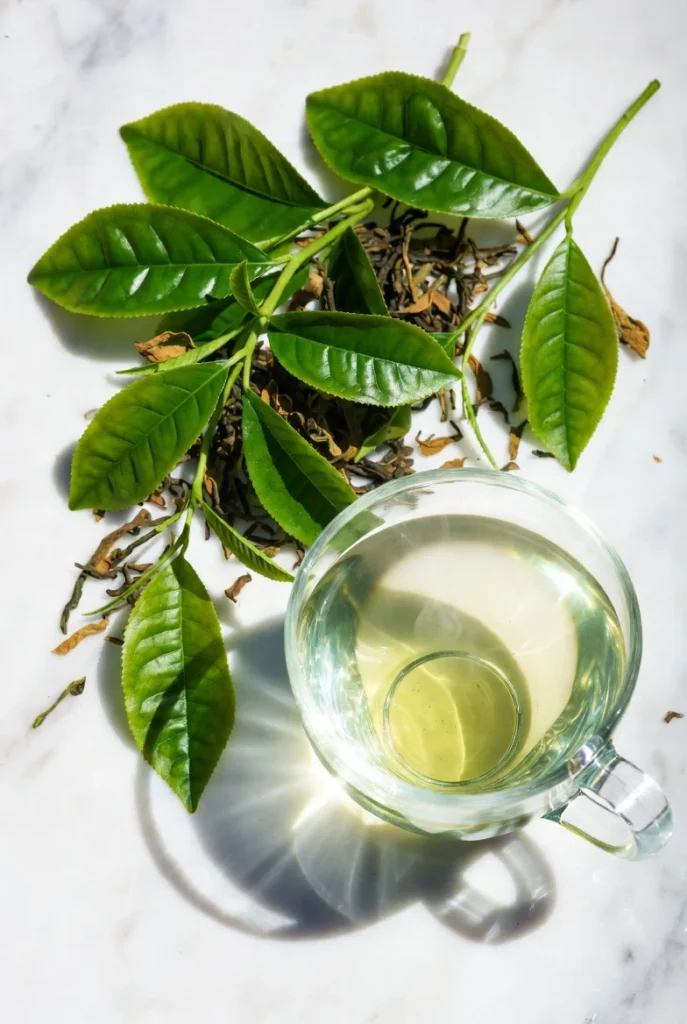
It is rich in antioxidants and helps reduce inflammation. It works well for sensitive or stressed skin.
Licorice Root Extract
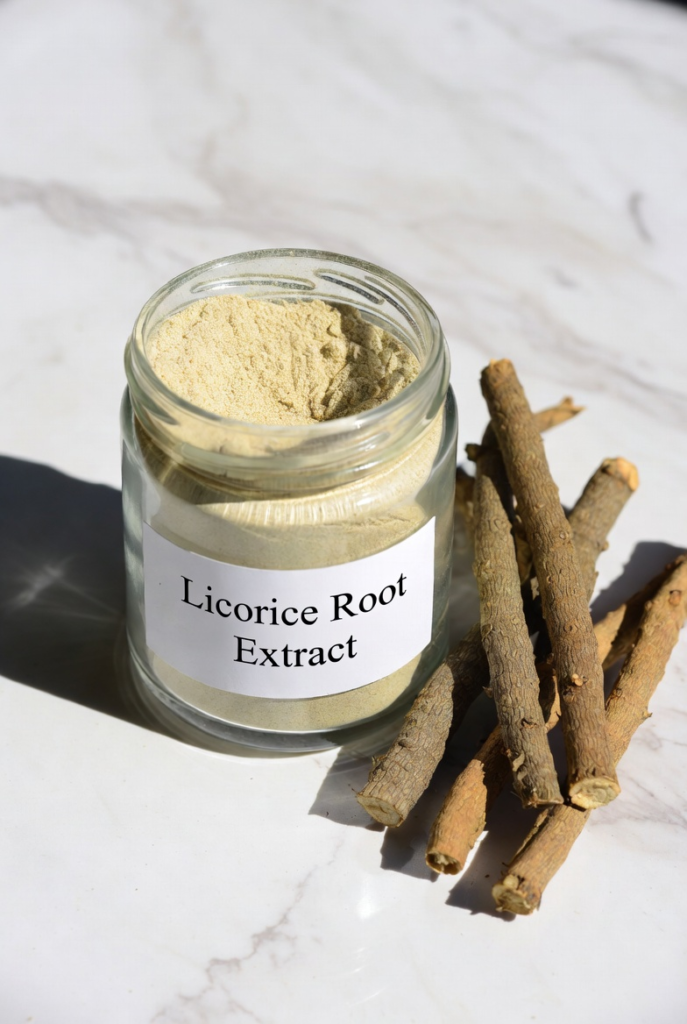
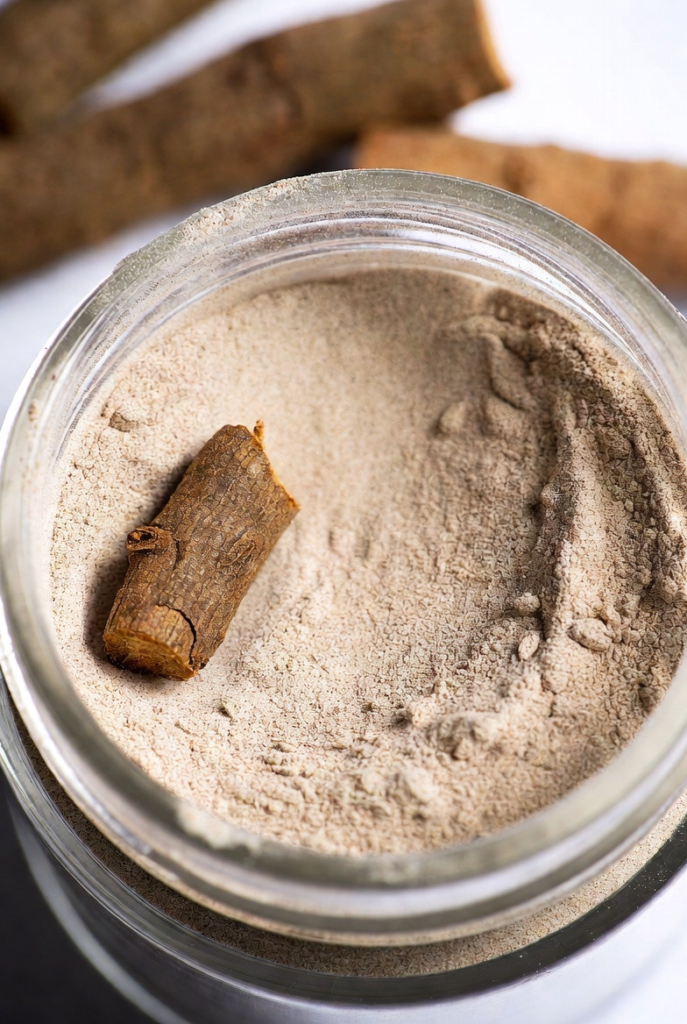
It helps balance skin tone. It is especially helpful for uneven skin tone.
Botanical extracts add a gentle, nature-inspired touch to the formula.
8) Essential Oils
Essential oils are used in very small amounts. They improve scent and sensory experience.
Lavender Oil
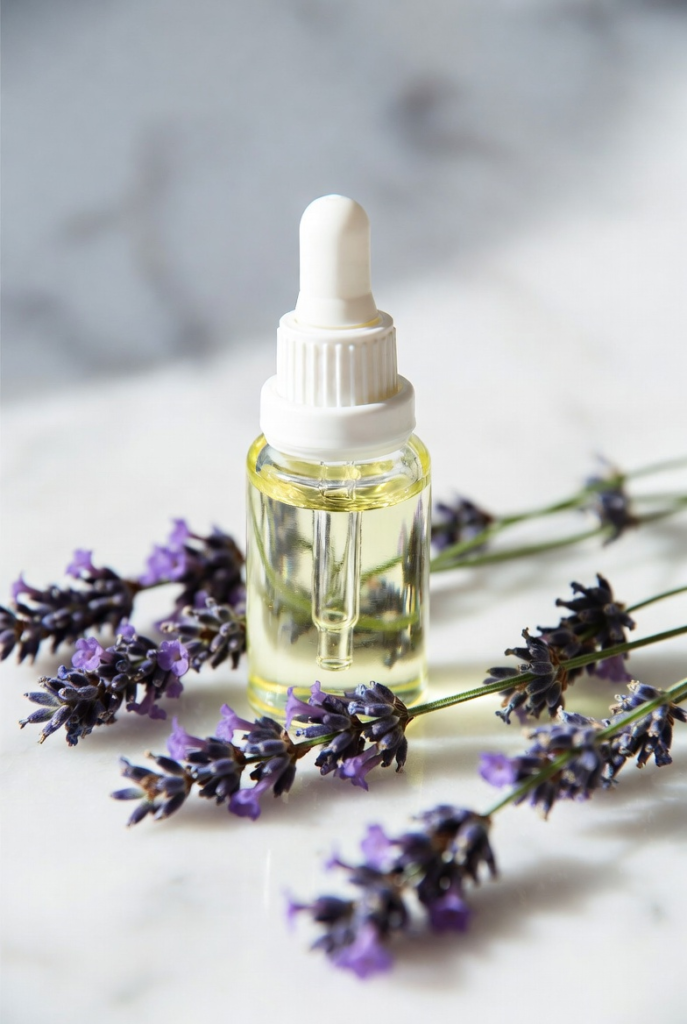
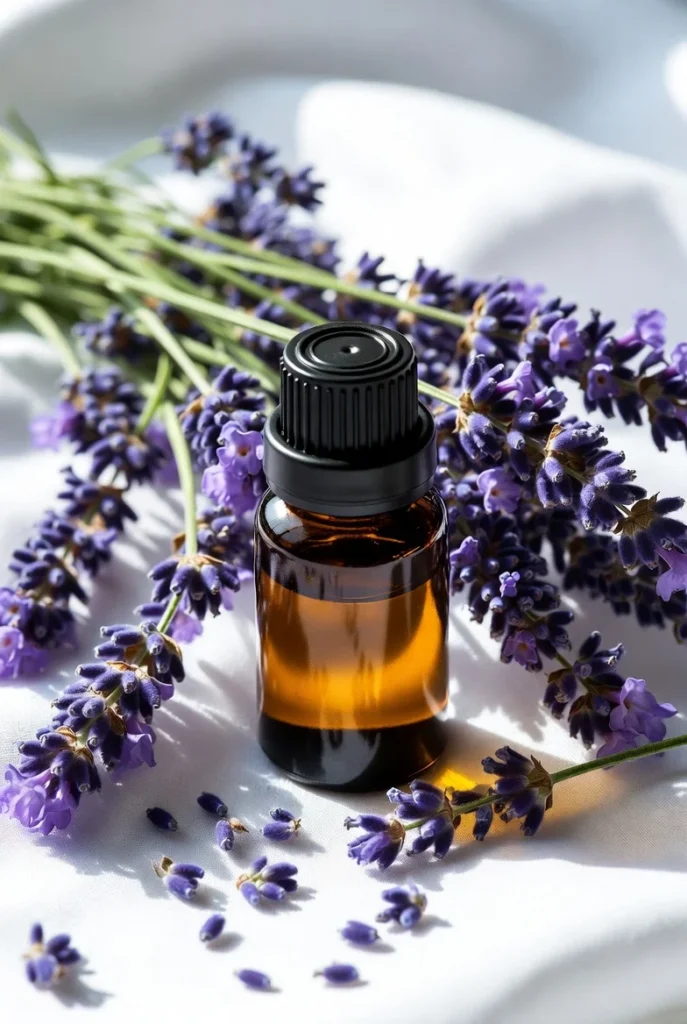
It gives a calming fragrance and helps the skin feel relaxed.
Frankincense Oil
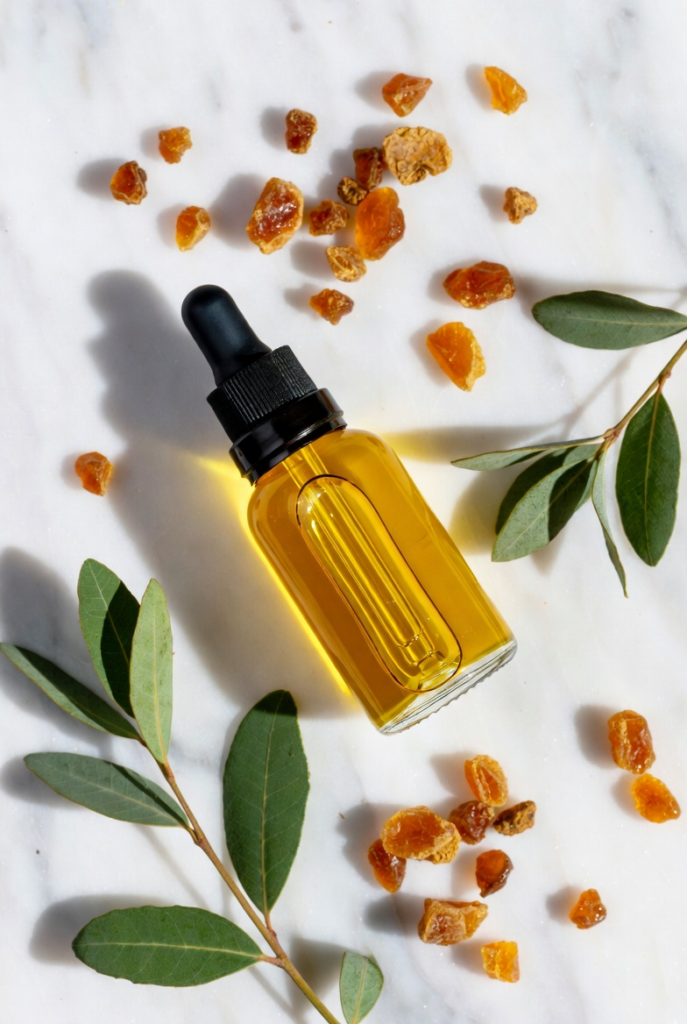
It is known for skincare support and for helping reduce the visible signs of ageing.
Still, essential oils should always be used in limited amounts. Too much can increase the risk of irritation instead of providing benefits.
9) Preservatives
If a water-based cream has no preservative, microorganisms can grow in it. That is why this part is very important for safety.
Leucidal
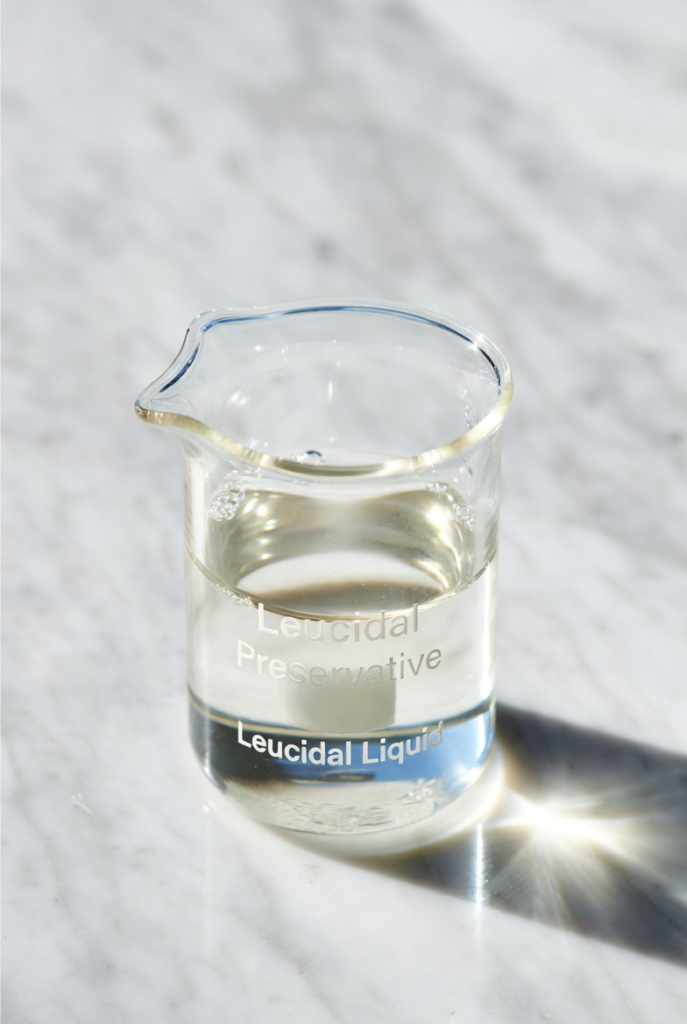
It is a natural-origin preservative.
Geogard
It is a broad-spectrum preservative that helps protect the cream from bacteria, yeast, and mold.
A good formula is not safe without a preservative. So this is one part that should never be ignored.
Ingredient Breakdown and Percentages
Here is a general guide:
| Ingredient | Range |
| Water Phase | 50–70% |
| Total Oil Phase | 15–30% |
| Carrier Oils | 5–10% |
| Butters | 3–10% |
| Emulsifiers | 3–7% |
| Humectants | 3–8% |
| Anti-Aging Actives | 5–10% |
| Botanical Extracts | 2–5% |
| Essential Oils | 0.1–0.5% |
| Preservatives | 0.5–1% |
These ranges are very helpful for creating a balanced organic anti-aging cream.
However, the final formula should always be adjusted based on skin type, product purpose, pH, and stability testing.
Steps to Make the Cream
Cream making starts with cleanliness. If the lab, tools, or working environment are not clean, the whole batch can be at risk.
First, the water phase and oil phase are prepared separately. Then both phases are heated to a specific temperature. After that, they are slowly combined to form a stable emulsion.
When the mixture cools a little, active ingredients, essential oils, and preservatives are added. Finally, the pH is checked and adjusted properly. Then the cream is filled into clean containers and stored safely.
In this whole process, patience, accurate measurement, and a clean environment are very important. At DERMAX LAB ACADEMY, this practical formulation knowledge is taught so that learning is not limited to theory — it can be used in real life too.
Customization by Skin Type
Not all skin types are the same. So the formula should not be the same either.
Dry Skin
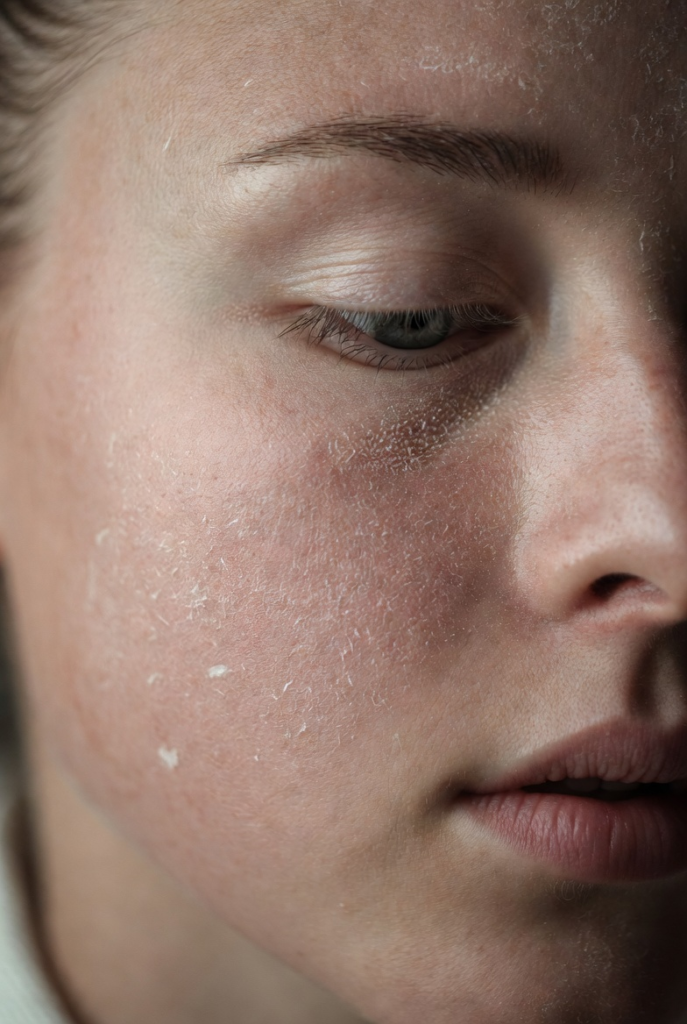
Richer oils, shea butter, cocoa butter, glycerin, and hyaluronic acid may work well for this skin type.
Oily Skin
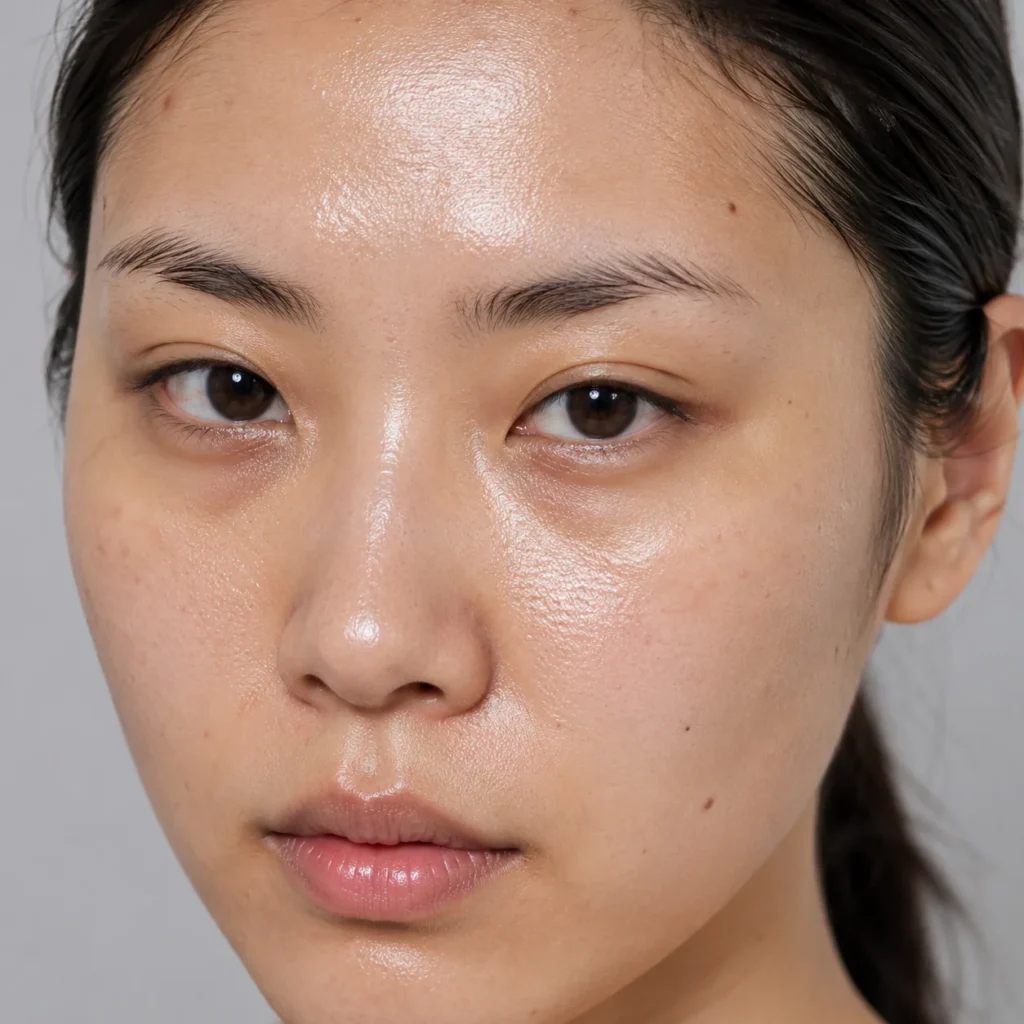
Lighter oils such as jojoba oil and balancing ingredients may be more suitable.
Sensitive Skin
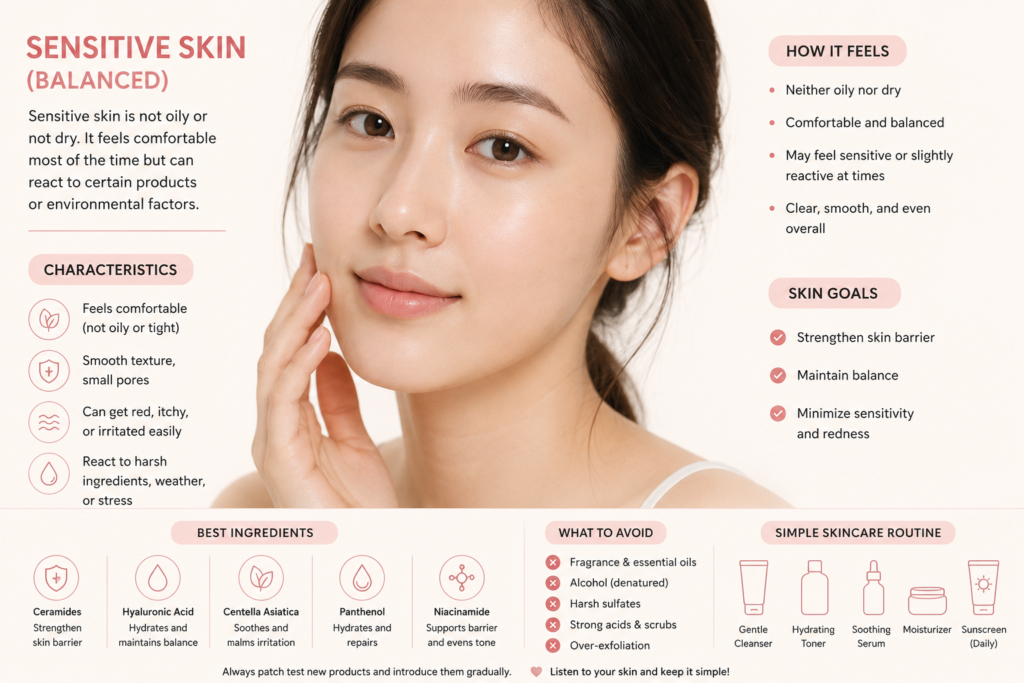
Soothing ingredients like aloe vera, chamomile, and green tea extract are often a better choice.
Combination Skin
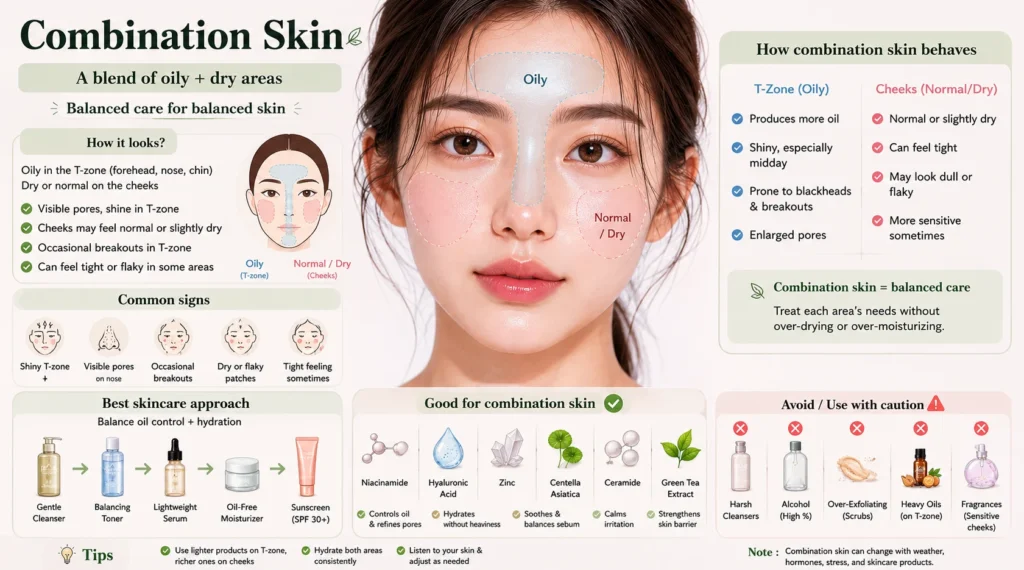
A moderate, well-balanced formulation is usually the best option.
Choosing the formula based on skin type increases the chance of better results.
Benefits of Regular Use
A good organic anti-aging cream may help with:
- Keeping the skin smooth.
- Reducing dryness.
- Making fine lines look less visible.
- Making the skin appear brighter.
- Supporting the skin barrier.
But skincare is not a one-day job. It takes patience, regular use, and the right approach.
Safety and Testing
Before a cream is launched in the market, it must be tested properly. Stability test, pH test, patch test, and microbial safety check are all very important.
Using a new product directly on the face without a patch test is not a good idea. Every skin reacts differently. Even if a product is natural, it will not behave the same way on every person’s skin.
According to FDA guidance, cosmetic product labeling must be truthful and not misleading, and claims must stay within cosmetic limits rather than crossing into drug-like claims. EU and ASEAN also require ingredient restrictions, safety assessment, and compliant labeling.fda+4
FDA, EU, and ASEAN Regulations
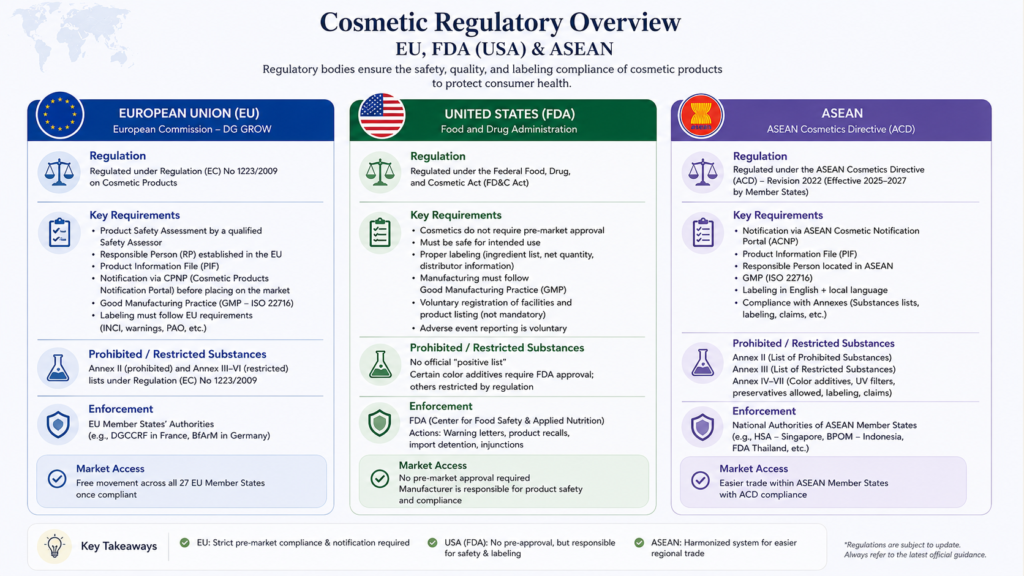
If you want to market the product, you must understand the rules.
FDA
In the United States, cosmetic products must follow proper labeling, safety, and claim limitations. Any claim made should be realistic and supported. For anti-wrinkle or anti-aging cosmetics, FDA warns against drug-like claims if the product is only meant to improve appearance.fda+1
EU
In Europe, cosmetic formulation requires stricter safety assessment. Some ingredients may be restricted or prohibited. Proper technical documentation, safety files, and claim support are very important.single-market-economy.ec.europa+1
ASEAN
In ASEAN countries, region-specific cosmetic guidelines must be followed. Ingredient listing, labeling, and safety standards must all be properly maintained.asean+1
A good formula is not enough on its own. It must also stay within the rules.
Final Thoughts
Making an organic anti-aging cream is not just about mixing a few ingredients together. It is the beautiful combination of science, care, safety, and the right formulation.
If water phase, oil phase, humectants, active ingredients, botanical extracts, and preservatives are all placed correctly, a highly effective and elegant cream can be created. And at a platform like DERMAX LAB ACADEMY, this knowledge becomes more practical, more professional, and more confidence-building.
When skincare is done properly, it becomes more than beauty care — it becomes self-care, awareness, and confidence.
Author

Md. Al Emran Sardar
Co-Founder and instructor , Dermax Lab Academy
- Email : emransardar7368@gmail.com
- WhatsApp : +8801701015303
- LinkedIn : Linkedin
- Join my Group : D formula Lab